Compound Information
Technical specifications
Lyophilized powder; keep sealed, dry, and protected from light
Store at a stable temperature; minimize warming/cooling cycles
Aliquot after reconstitution; avoid repeated freeze–thaw cycles
Lyophilized Powder
-20°C preferred; 2–8°C for short-term handling
Reconstituted
2–8°C
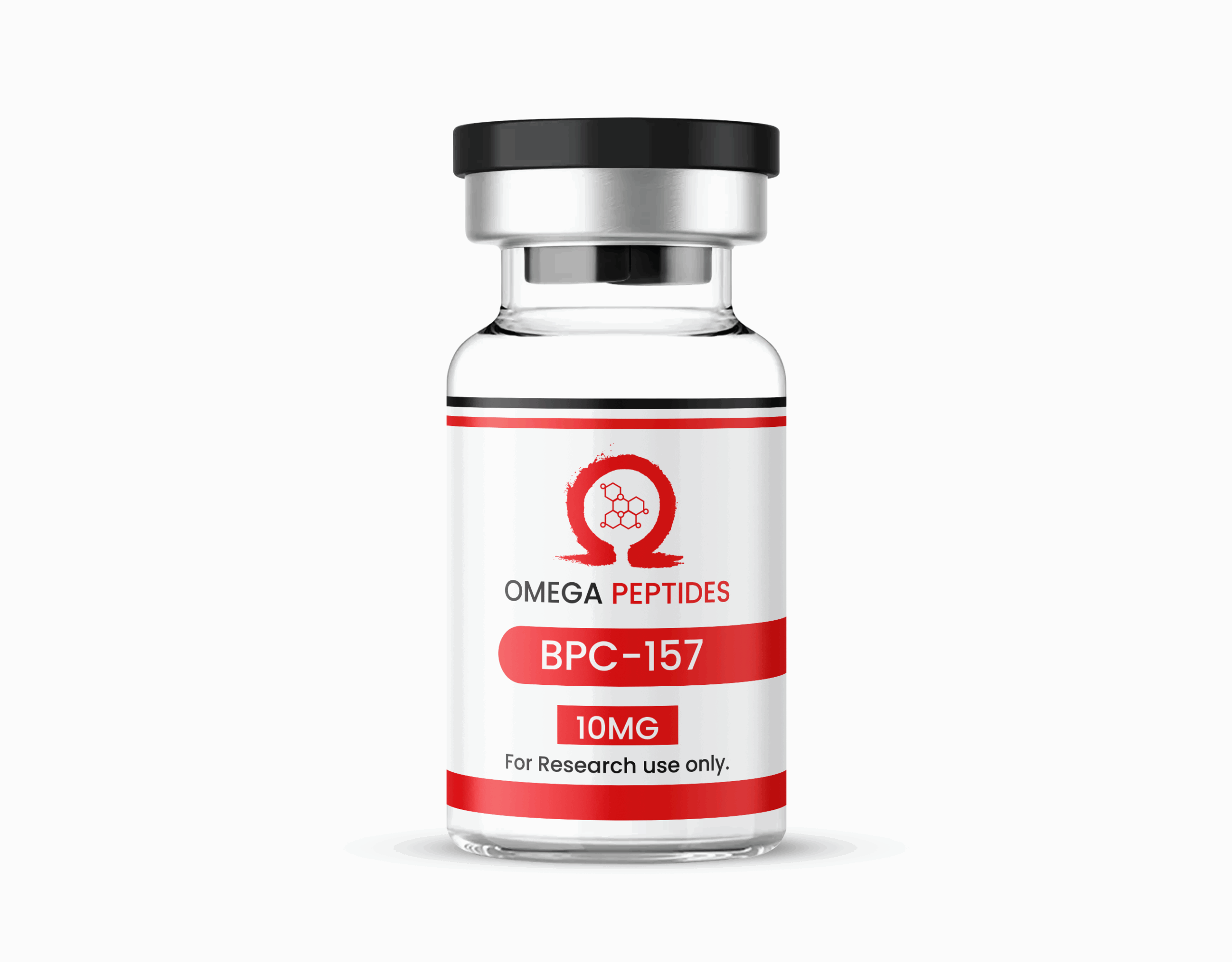
BPC-157 is a synthetic 15-residue peptide corresponding to a partial sequence of Body Protection Compound, a protein identified in human gastric juice. Its most distinctive physicochemical property follows directly from that origin: it is notably stable in acidic conditions, resisting degradation in gastric-fluid environments where most peptides break down rapidly — a characteristic that made it unusual among research peptides from the outset and shaped how it has been studied. Mechanistically, the bulk of the literature has focused on angiogenic signaling, particularly upregulation of the VEGFR2 pathway and downstream nitric oxide involvement, alongside work on fibroblast migration and growth-factor receptor expression. The sequence contains no unnatural or D-amino acids — it is a straightforward all-L pentadecapeptide, with the proline-rich central region contributing to its conformational rigidity. It is widely used as a standalone reference compound in tissue-remodeling research and appears as a component in multi-peptide blend preparations. Supplied as a high-purity lyophilized powder for reproducible in-vitro and approved in-vivo work. This product is for laboratory research and development purposes only and must be handled by qualified professionals. Not for human, therapeutic, or diagnostic use.
Angiogenic Signaling
The bulk of the literature centers on VEGFR2 pathway upregulation and downstream nitric oxide involvement in vascular signaling.
Acid Stability
Unusually resistant to degradation in gastric-fluid conditions — a property that follows from its origin in gastric juice.
All-L Sequence
Contains no D-amino acids or unnatural residues — a straightforward 15-mer with a proline-rich, conformationally rigid core.
Fibroblast Migration
Studied for its effects on fibroblast behavior and growth-factor receptor expression in tissue-remodeling models.
Blend Component
Frequently paired with TB-500 and GHK-Cu in study designs examining convergent tissue-remodeling pathways.
≥99% HPLC Purity
Every batch is HPLC-verified and supplied lyophilized, ensuring reproducible results across long study timelines.