High Purity Peptides | Fast Worldwide Shipping

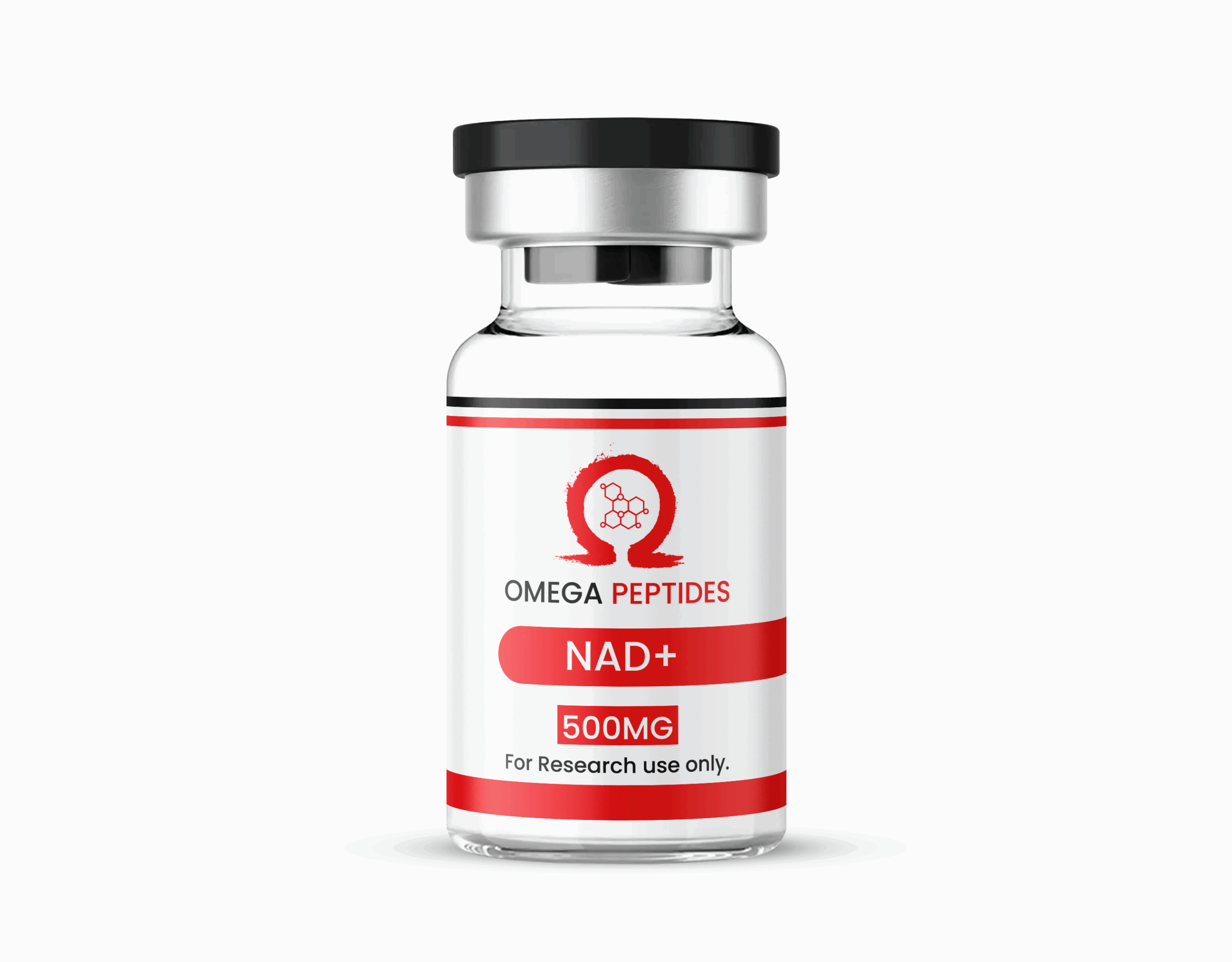
NAD+ 500mg

NAD+ 500mg

NAD+ (Nicotinamide Adenine Dinucleotide) is an essential redox coenzyme central to cellular energy metabolism and a required substrate for sirtuins and PARP enzymes. Supplied as a ≥99% HPLC-verified lyophilized powder for laboratory research use only.

+99% Purity Third-Party Tested COA Available

 64.99

23 in stock

In stock – Ships same day
SSL Secured
Secure Checkout
Guaranteed Delivery
Third-Party Tested

Certificate of Analysis

Third-Party Tested by Janoshik Analytical

Latest
N/A%
Purity
Variant
NAD+ 500mg
Lot #
NAD500-2601-01
Labeled
NAD+ 500 mg
Actual
N/A
Tested
Feb 9, 2026
View Certificate

Compound Information

Technical specifications


Molecular Profile

What Is NAD+?

TypeRedox Coenzyme (Dinucleotide)
CAS Number53-84-9
Molecular Weight663.43 g/mol
Synonymsβ-NAD / Nicotinamide Adenine Dinucleotide (oxidized)
StructureNicotinamide + Adenine, linked via two ribose–phosphate groups
Redox StateOxidized form (NAD+; reduced form is NADH)
FormulaC21H27N7O14P2

Storage Requirements

Stability Information

Lyophilized powder; keep sealed, dry, and protected from light
Hygroscopic — minimize air exposure when weighing
Unstable in alkaline solution — prepare working stocks fresh

Lyophilized Powder

-20°C preferred; 2–8°C for short-term handling

Reconstituted

2–8°C; use promptly, avoid alkaline buffers


About NAD+

NAD+ (Nicotinamide Adenine Dinucleotide) is a dinucleotide coenzyme present in every living cell, and one of the most fundamental molecules in metabolism. It serves two distinct roles. As a redox carrier, it cycles between its oxidized (NAD+) and reduced (NADH) forms to shuttle electrons through glycolysis, the citric acid cycle, and oxidative phosphorylation. Separately — and this is where most current research interest sits — it acts as a consumed substrate for enzymes including the sirtuins (SIRT1–7) and PARPs, which cleave NAD+ rather than merely borrowing its electrons. That consumption links cellular NAD+ availability directly to deacetylation, DNA repair, and gene regulation. Supplied as a high-purity lyophilized powder for reproducible in-vitro work. This product is for laboratory research and development purposes only and must be handled by qualified professionals. Not for human, therapeutic, or diagnostic use.


Research Highlights

Central Redox Carrier

Cycles between NAD+ and NADH to shuttle electrons through glycolysis, the citric acid cycle, and oxidative phosphorylation.

Sirtuin Substrate

Required as a consumed substrate by SIRT1–7, linking cellular NAD+ levels directly to deacetylation and gene regulation.

PARP & DNA Repair

PARP enzymes consume NAD+ during DNA damage response, making its availability a limiting factor in repair studies.

Mitochondrial Bioenergetics

The NAD+/NADH ratio is a core readout of cellular redox state in mitochondrial function assays.

Enzymatic Assay Reagent

A standard cofactor in dehydrogenase assays, where NADH formation is tracked spectrophotometrically at 340nm.

≥99% HPLC Purity

Every batch is HPLC-verified and supplied lyophilized, ensuring reproducible results across long study timelines.
Product Specifications

Molecular Formula
C21H27N7O14P2
Molecular Weight
663.43 g/mol
CAS Number
53-84-9
Redox State
Oxidized form (NAD+)
Purity
≥99% (HPLC verified)
Form
Lyophilized powder
Appearance
White to off-white powder
Solubility
Soluble in water, bacteriostatic water (avoid alkaline buffers)
Storage
-20°C (lyophilized), 2–8°C (reconstituted)

Research Studies

Frequently Asked Questions

What is NAD+?

NAD+ is a dinucleotide coenzyme found in every living cell. It functions both as a redox electron carrier in energy metabolism and as a consumed substrate for sirtuin and PARP enzymes.

What is the difference between NAD+ and NADH?

They are the oxidized and reduced forms of the same molecule. NAD+ accepts electrons to become NADH; NADH donates them to return to NAD+. This product is the oxidized (NAD+) form.

Why is NAD+ availability a focus of current research?

Sirtuins and PARPs consume NAD+ rather than recycling it, so cellular NAD+ levels act as a limiting factor for deacetylation and DNA repair activity — connecting metabolic state directly to gene regulation.

Is this product approved for human use?

No. This product is supplied as a laboratory reagent and is strictly intended for research and development purposes by qualified professionals only.

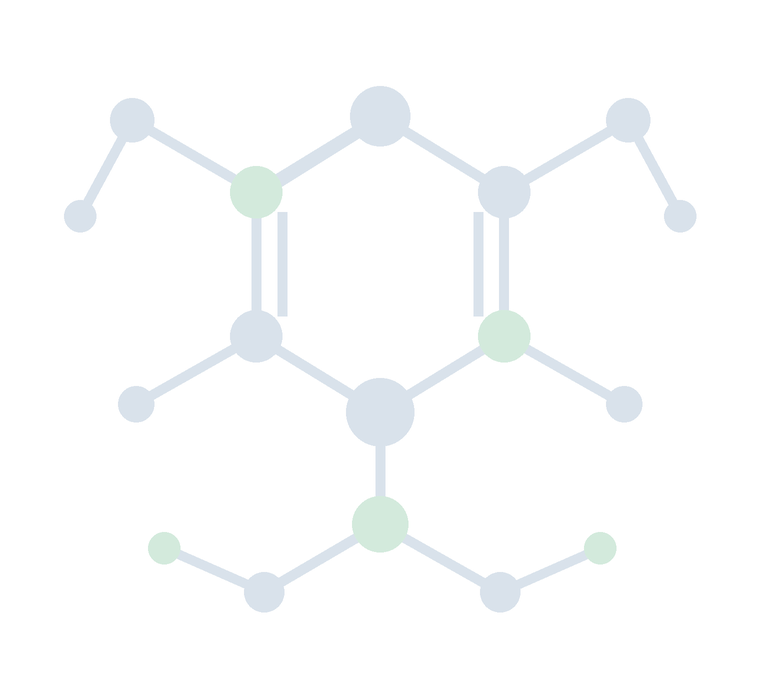
NAD+ molecular structure

Summer Sale • 10% OFF Use Coupon SUMMER10

X