High Purity Peptides | Fast Worldwide Shipping

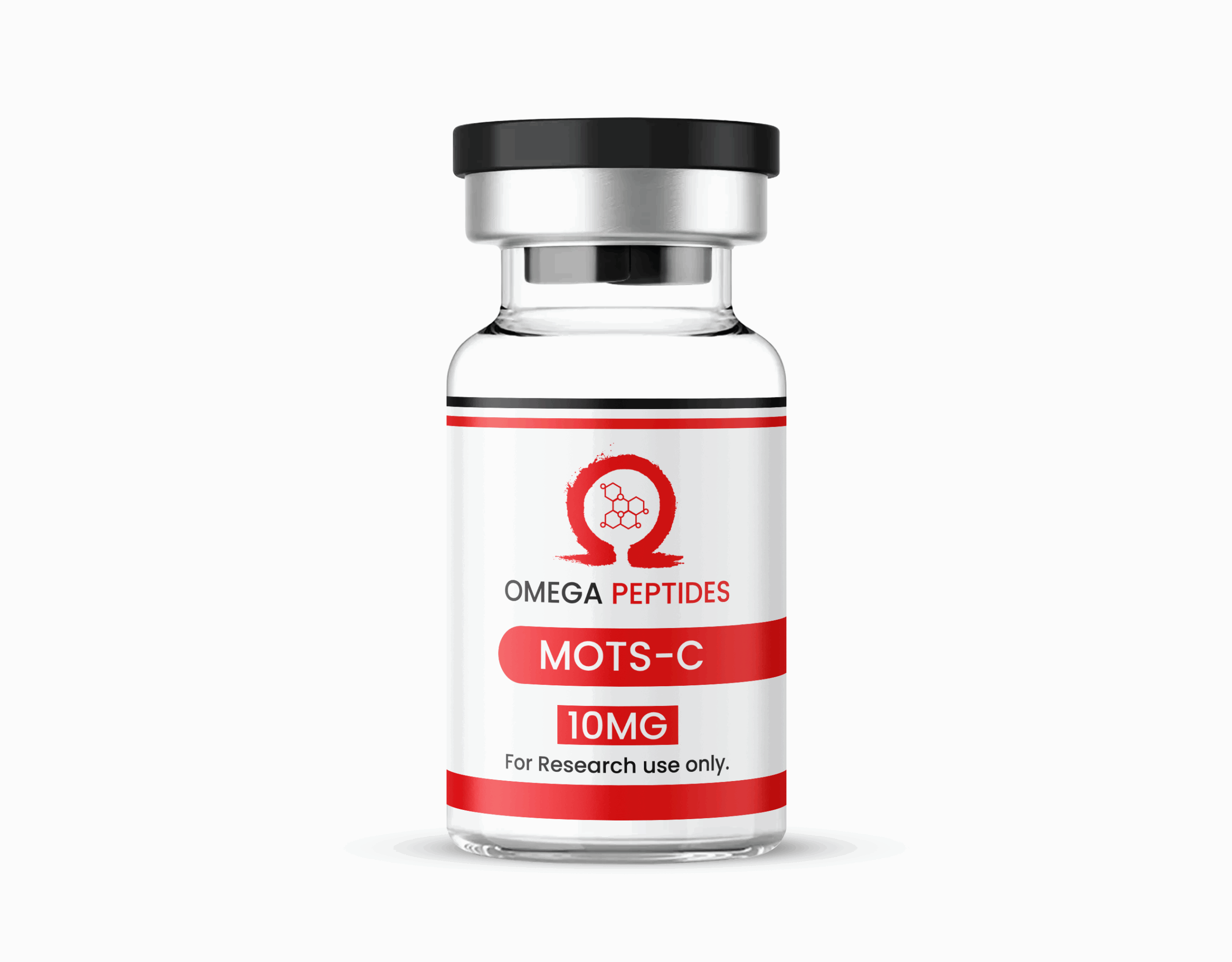
MOTS-C

MOTS-C

MOTS-c is a 16-residue mitochondrial-derived peptide encoded in the mtDNA 12S rRNA region, studied for its role in AMPK activation, metabolic homeostasis, and mitochondrial–nuclear signaling. Supplied as a ≥98% HPLC-verified lyophilized powder for laboratory research use only.

+99% Purity Third-Party Tested COA Available

Price range: € 39.99 through € 99.99

In stock – Ships same day
SSL Secured
Secure Checkout
Guaranteed Delivery
Third-Party Tested

Certificate of Analysis

Third-Party Tested by Janoshik Analytical

Latest
99.554%
Purity
Variant
40mg
Lot #
MOTSC40-2601-01
Labeled
MOTS-C 40 mg
Actual
N/A
Tested
Feb 9, 2026
View Certificate
Latest
99.063%
Purity
Variant
10mg
Lot #
MS102607
Labeled
MOTS-C
Actual
N/A
Tested
View Certificate

Compound Information

Technical specifications


Molecular Profile

What Is MOTS-c?

TypeMitochondrial-Derived Peptide (MDP)
CAS Number1627580-64-6
Molecular Weight2174.62 g/mol
OriginEncoded in mtDNA 12S rRNA region
Amino Acids16 AA (Linear peptide)
SequenceMet-Arg-Trp-Gln-Glu-Met-Gly-Tyr-Ile-Phe-Tyr-Pro-Arg-Lys-Leu-Arg
FormulaC101H151N29O22S2

Storage Requirements

Stability Information

Lyophilized powder; keep sealed, dry, and protected from light
Contains methionine residues — minimize exposure to air and oxidants
Aliquot after reconstitution; avoid repeated freeze–thaw cycles

Lyophilized Powder

-20°C preferred; 2–8°C for short-term handling

Reconstituted

2–8°C


About MOTS-c

MOTS-c (Mitochondrial ORF of the 12S rRNA type-c) is a 16-residue peptide encoded not in nuclear DNA but within the mitochondrial genome itself — making it one of a small class of mitochondrial-derived peptides (MDPs). Its discovery challenged the long-held view that mitochondria signal only through metabolites, and it is now studied as a retrograde signal: a molecule that travels from mitochondrion to nucleus to influence gene expression. Research centers on its activation of the AMPK pathway, its role in folate–methionine cycle regulation, and its influence on glucose handling and metabolic homeostasis, particularly in skeletal muscle. Supplied as a high-purity lyophilized powder for reproducible in-vitro and approved in-vivo work. This product is for laboratory research and development purposes only and must be handled by qualified professionals. Not for human, therapeutic, or diagnostic use.


Research Highlights

Mitochondrial-Derived Peptide

Encoded in mtDNA rather than nuclear DNA — a member of a small, still-emerging class of signaling molecules.

AMPK Pathway Activation

Studied for its engagement of AMP-activated protein kinase, placing it alongside compounds like AICAR in metabolic research.

Retrograde Nuclear Signaling

Investigated for its translocation to the nucleus and influence on stress-responsive gene expression.

Glucose Handling

Widely referenced in skeletal muscle models examining insulin sensitivity and glucose utilization.

Folate–Methionine Cycle

Its proposed mechanism runs through one-carbon metabolism, connecting mitochondrial output to cellular methylation state.

≥98% HPLC Purity

Every batch is HPLC-verified and supplied lyophilized, ensuring reproducible results across long study timelines.

Product Specifications

Molecular Formula
C101H151N29O22S2
Molecular Weight
2174.62 g/mol
CAS Number
1627580-64-6
Sequence
Met-Arg-Trp-Gln-Glu-Met-Gly-Tyr-Ile-Phe-Tyr-Pro-Arg-Lys-Leu-Arg
Purity
≥98% (HPLC verified)
Form
Lyophilized powder
Appearance
White to off-white powder
Solubility
Soluble in water, bacteriostatic water
Storage
-20°C (lyophilized), 2–8°C (reconstituted)

Research Studies

Frequently Asked Questions

What is MOTS-c?

MOTS-c is a 16-residue mitochondrial-derived peptide encoded within the mitochondrial genome’s 12S rRNA region, rather than in nuclear DNA.

Why is its mitochondrial origin significant?

It supports the idea that mitochondria signal to the nucleus through peptides, not just metabolites — a retrograde signaling model that makes MOTS-c a valuable tool for studying mitochondrial–nuclear communication.

What research areas is MOTS-c used in?

It appears in studies of AMPK activation, folate–methionine cycle regulation, glucose handling and insulin sensitivity, and metabolic homeostasis in skeletal muscle models.

Is this product approved for human use?

No. This product has not been evaluated by the FDA and is strictly intended for research and development purposes by qualified professionals only.

MOTS-c molecular structure

Summer Sale • 10% OFF Use Coupon SUMMER10

X