High Purity Peptides | Fast Worldwide Shipping

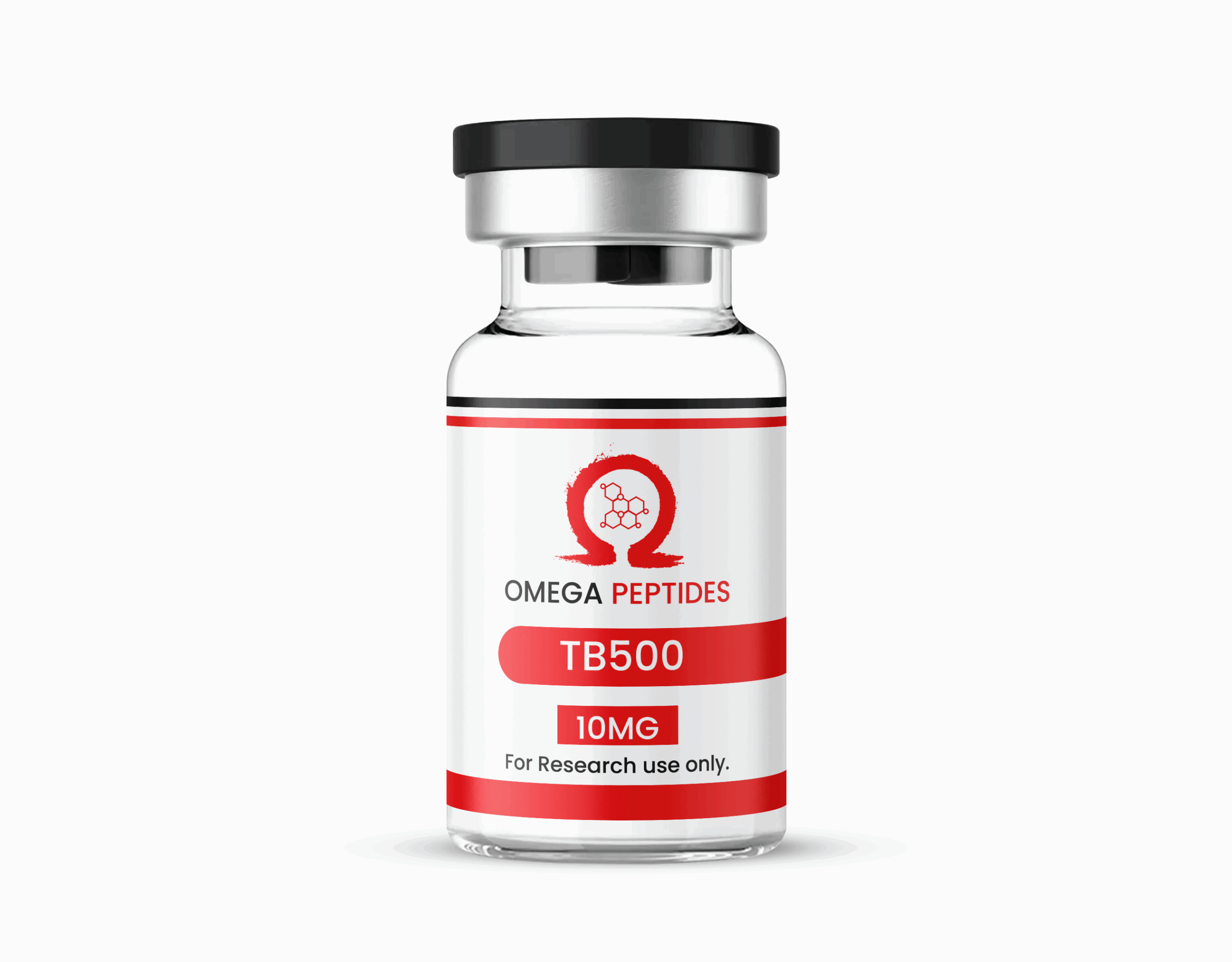
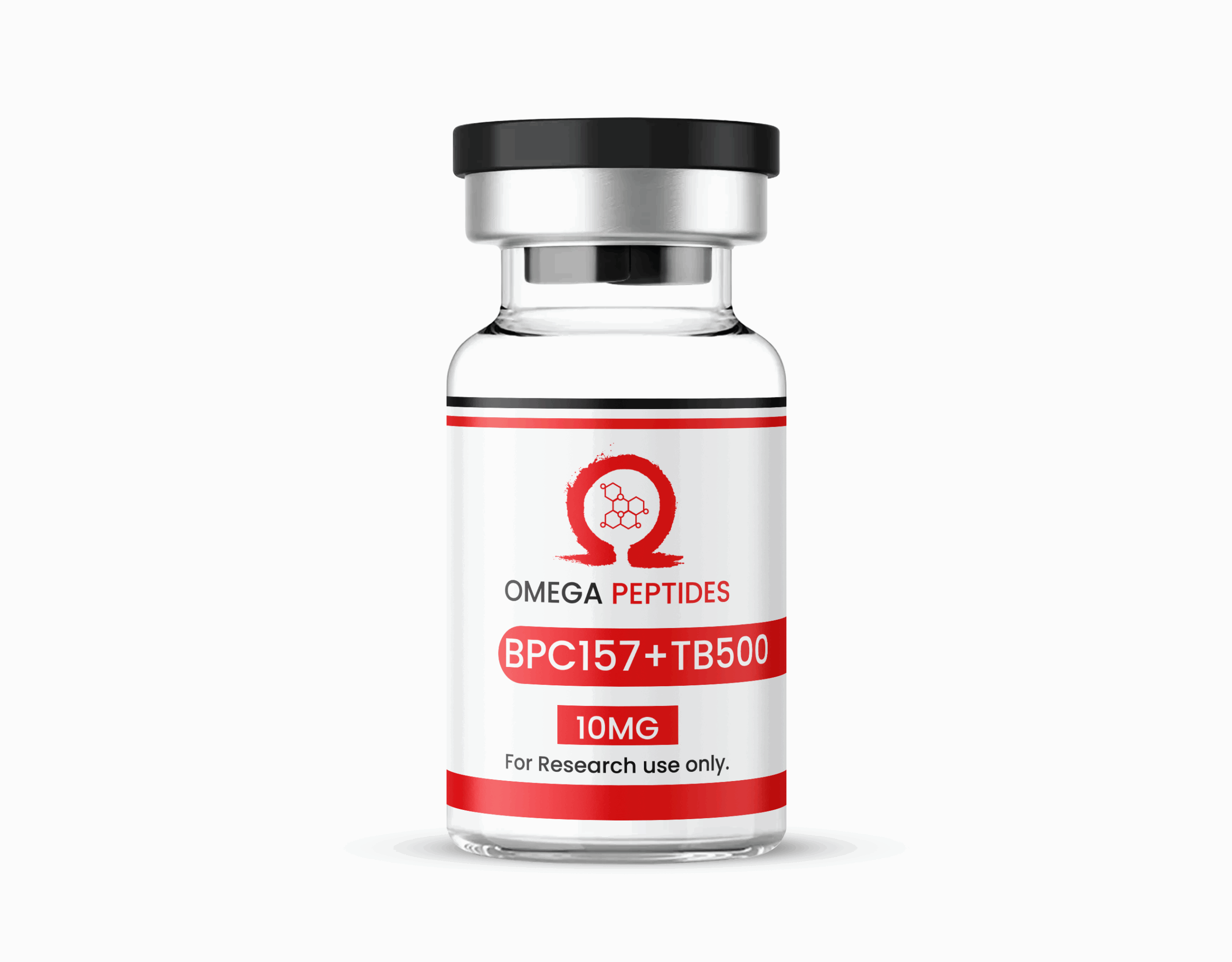
BPC+TB500 10mg

BPC+TB500 10mg

BPC-157 + TB-500 is a co-formulated blend pairing a gastric-derived pentadecapeptide with the actin-binding fragment of thymosin beta-4, allowing researchers to study angiogenic and cytoskeletal repair pathways in a single reagent. Supplied as a ≥99% HPLC-verified lyophilized powder for laboratory research use only.

+99% Purity Third-Party Tested COA Available

 59.99

33 in stock

In stock – Ships same day
SSL Secured
Secure Checkout
Guaranteed Delivery
Third-Party Tested

Certificate of Analysis

Third-Party Tested by Janoshik Analytical

Latest
N/A%
Purity
Variant
BPC+TB500 10mg
Lot #
BB102606
Labeled
BPC-157 11.26 mg / TB-500 9.20 mg
Actual
N/A
Tested
Jun 2, 2026
View Certificate
Latest
N/A%
Metal
Variant
BPC+TB500 10mg
Lot #
BB102606
Labeled
Actual
N/A
Tested
Jun 2, 2026
View Certificate

Compound Information

Technical specifications


Molecular Profile

What Is BPC-157 + TB-500?

TypeDual-Pathway Tissue Repair Blend
ComponentsBPC-157 + TB-500
CAS Number137525-51-0 (BPC-157) / 885340-08-9 (TB-500)
Molecular WeightVariable (Blend: 1419.53 + 888.00 g/mol)
Amino AcidsBPC-157 (15 AA) / TB-500 (7 AA)
Sequence[BPC-157] Gly-Glu-Pro-Pro-Pro-Gly-Lys-Pro-Ala-Asp-Asp-Ala-Gly-Leu-Val / [TB-500] Ac-Leu-Lys-Lys-Thr-Glu-Thr-Gln
FormulaC62H98N16O22 (BPC) + C37H65N11O13 (TB)

Storage Requirements

Stability Information

Co-lyophilized blend; keep sealed, dry, and protected from light
Store at a stable temperature; minimize warming/cooling cycles
Aliquot after reconstitution; avoid repeated freeze–thaw cycles

Lyophilized Powder

-20°C preferred; 2–8°C for short-term handling

Reconstituted

2–8°C


About BPC-157 + TB-500

This co-formulated blend pairs two peptides that approach tissue repair from different directions. BPC-157 is a synthetic pentadecapeptide derived from a protective protein sequence found in gastric juice, studied primarily for its influence on angiogenesis, growth factor signaling, and cytoprotection. TB-500 reproduces the actin-binding motif of thymosin beta-4, and acts on the cytoskeleton — regulating the monomeric actin pool and, through it, cell migration and cytoskeletal remodeling. Because one arm is vascular and signaling-driven while the other is structural and cytoskeletal, researchers use this pairing to study how the two converge in wound-repair and tissue-regeneration models. Supplied as a high-purity co-lyophilized powder for reproducible in-vitro and approved in-vivo work. This product is for laboratory research and development purposes only and must be handled by qualified professionals. Not for human, therapeutic, or diagnostic use.


Research Highlights

BPC-157 — Angiogenesis

Studied for its influence on vascular network formation and growth factor signaling in tissue-repair models.

TB-500 — Actin Sequestration

Reproduces the LKKTETQ motif that binds monomeric G-actin, regulating the pool available for polymerization.

Complementary Mechanisms

One arm is vascular and signaling-driven, the other structural and cytoskeletal — making the pairing genuinely non-redundant.

Cell Migration Assays

Commonly used together in scratch and transwell assays examining directional motility and wound closure.

Single-Reagent Convenience

A fixed-ratio co-lyophilized blend removes the variability of preparing and combining two separate stocks.

≥99% HPLC Purity

Both components are HPLC-verified and co-lyophilized, ensuring a consistent ratio across every vial.
Product Specifications

Components
BPC-157, TB-500
BPC-157
Gly-Glu-Pro-Pro-Pro-Gly-Lys-Pro-Ala-Asp-Asp-Ala-Gly-Leu-Val · C62H98N16O22 · 1419.53 g/mol
TB-500
Ac-Leu-Lys-Lys-Thr-Glu-Thr-Gln · C37H65N11O13 · 888.00 g/mol
CAS Number
137525-51-0 / 885340-08-9
Purity
≥99% (HPLC verified, both components)
Form
Co-lyophilized powder
Appearance
White to off-white powder
Solubility
Soluble in water, bacteriostatic water
Storage
-20°C (lyophilized), 2–8°C (reconstituted)

Research Studies

Frequently Asked Questions

Why are BPC-157 and TB-500 blended together?

They act through different mechanisms — BPC-157 on angiogenesis and growth factor signaling, TB-500 on the actin cytoskeleton. The pairing is non-redundant, which is what makes it useful for studying convergent repair pathways.

What is BPC-157?

BPC-157 is a synthetic 15-residue peptide based on a protective protein sequence found in gastric juice, studied for its influence on angiogenesis and cytoprotection.

What is TB-500?

TB-500 is a seven-residue peptide reproducing the actin-binding motif of thymosin beta-4. It binds monomeric G-actin, regulating the pool available for polymerization into filaments.

Is this product approved for human use?

No. This product has not been evaluated by the FDA and is strictly intended for research and development purposes by qualified professionals only.

BPC-157 and TB-500 molecular structure

Summer Sale • 10% OFF Use Coupon SUMMER10

X